Basics · 7 min read
What Is Personal Color Analysis? The Korean Method Explained
What is personal color analysis and is it real? How Korean color analysis finds the shades that suit your skin, eyes and hair.
By SeoulTonePublished Updated
The short answer
Personal color analysis is a styling method that compares how warm or cool, light or deep, and bright or muted colours look near your face. Korean-style analysis applies this to clothing, makeup and hair, often using seasonal sub-types. Your season is a starting palette to explore, not a medical diagnosis or a rule about what you may wear.
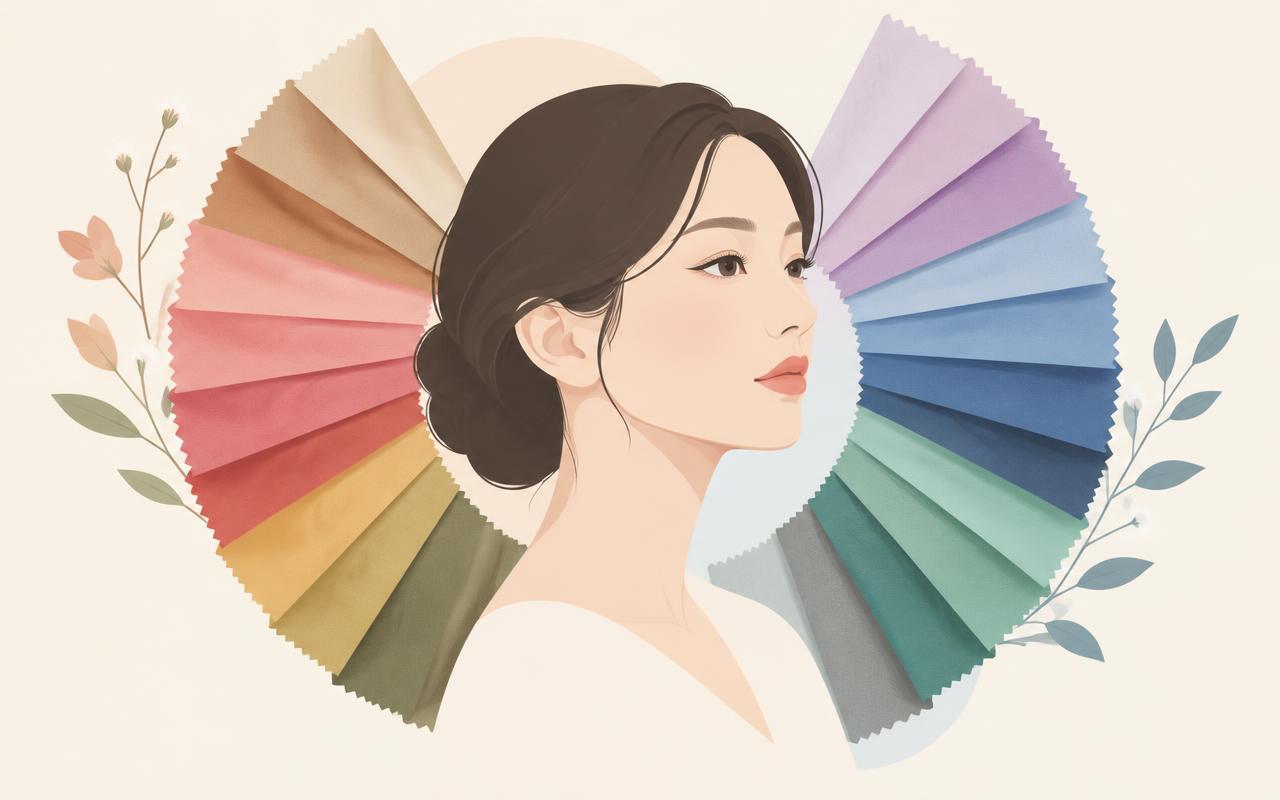
Personal color (퍼스널 컬러) is the idea that certain colours make your skin look clearer, brighter and more even, while others make you look tired or sallow. In Korea it has become a mainstream part of beauty shopping, with studios offering in-person draping sessions and cosmetic brands labelling products by tone.
The good news is that the core idea is simple. Colour placed near your face reflects onto your skin. When that colour shares the same qualities as your natural colouring, shadows soften and your features look sharper. When it clashes, the opposite happens: dark circles deepen, redness shows and skin can look grey or yellow.
The three dimensions of colour
Every colour can be described by its undertone (warm or cool), its value (light or deep) and its chroma (bright or soft). Your natural colouring — skin, eyes and hair together — sits somewhere on each of those scales, and the colours that flatter you share the same position.
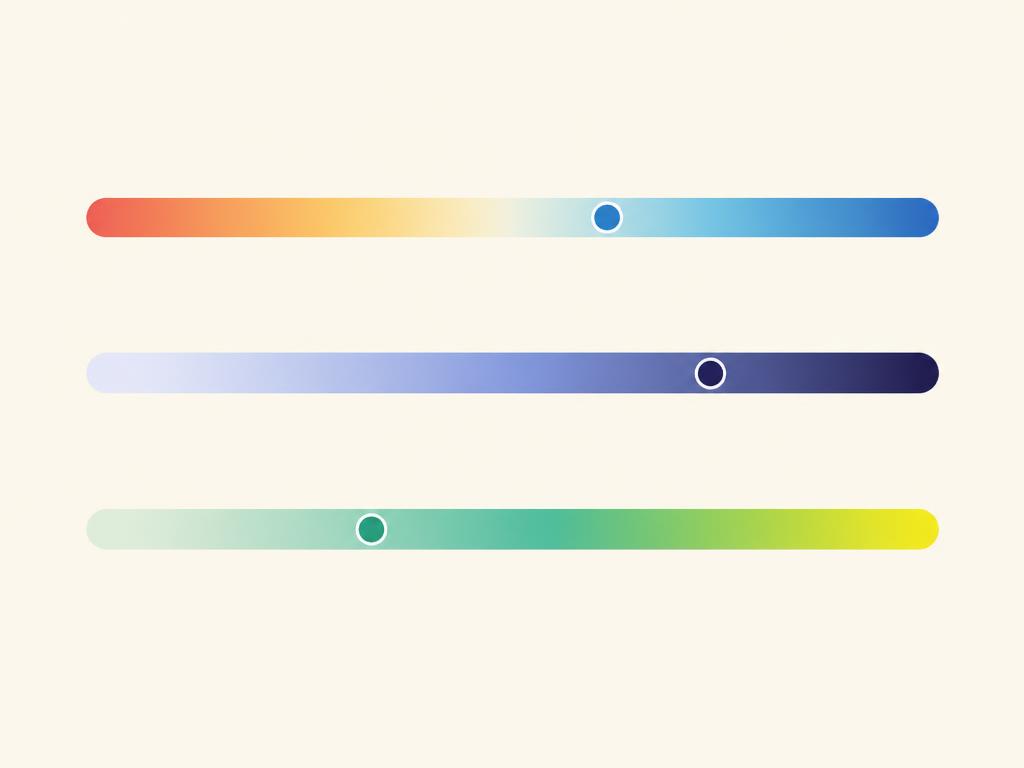
Undertone: warm or cool
Warm undertones have a golden, peachy or olive cast. Cool undertones lean pink, rosy or blue. Some people sit close to the middle and are called neutral, although most still lean slightly one way. Undertone is the most important of the three dimensions because it decides whether gold or silver, coral or rose, camel or grey look natural on you.
Value: light or deep
Value describes how light or dark your overall colouring is. Someone with fair skin, light eyes and light hair usually suits lighter colours, while someone with deep eyes and dark hair can carry richer, darker shades without being overwhelmed.
Chroma: bright or soft
Chroma is how clear or muted a colour is. People with high contrast and sparkling eyes often suit clear, saturated colours. People with gentle, blended colouring look better in dusty, slightly greyed shades — the 'mute' types that are very common in Korean analysis.
Four seasons, twelve types
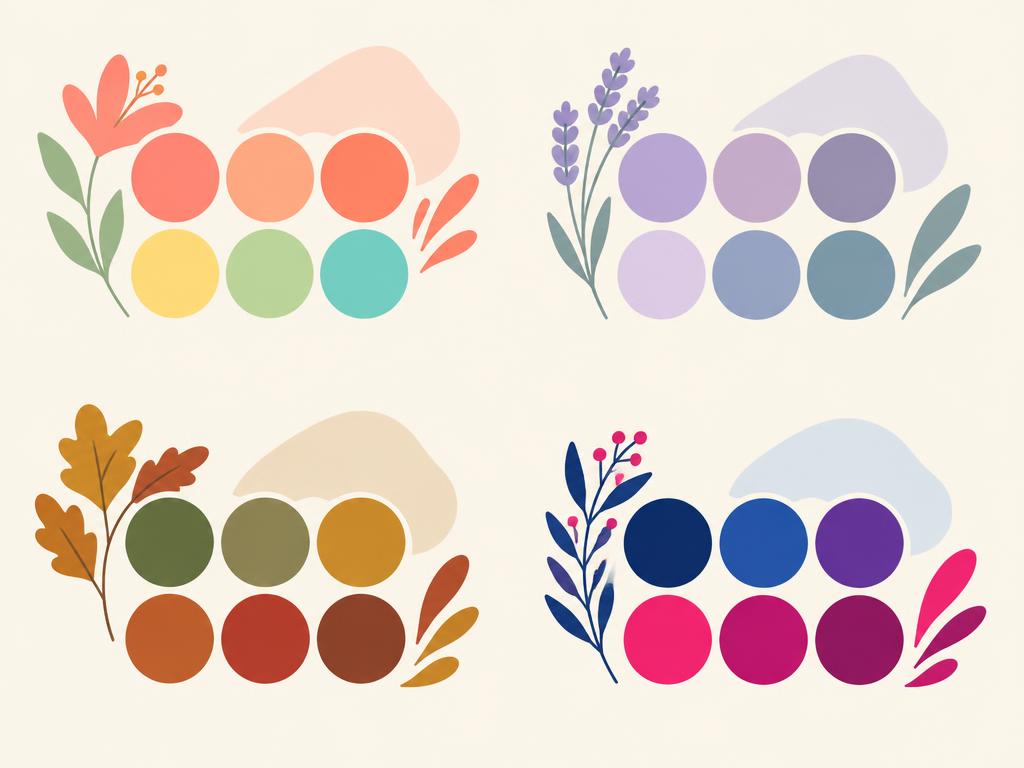
The four seasons — Spring, Summer, Autumn and Winter — group warm/cool with light/deep. Korean analysis usually splits each season into sub-types such as Light, Bright, Mute, True or Deep, giving twelve types in total. Each type has its own palette for clothing, makeup and hair.
Is personal color analysis real?
Colour theory itself is well established: colours really do change how other colours around them look. What is less exact is sorting every person into a neat box. Lighting, camera settings and personal taste all play a part. Think of your season as a reliable starting point rather than a strict rule — it narrows thousands of choices to a palette that is very likely to work.
Why it matters
Knowing your type makes shopping faster: you can pick a lipstick, a foundation shade or a coat colour with confidence instead of guessing. It also explains why a trendy colour looks amazing on a friend but not on you, and helps you build a wardrobe where most pieces work together.
How to find your season
You can visit a draping studio, try at-home tests, take a short quiz, or use a photo analysis. Each step adds accuracy. Many people start with a free quiz to learn their season family, then confirm their exact type with a selfie-based report.
About this guide
Published by SeoulTone, the service behind the quiz and photo analysis linked in this guide. The advice uses seasonal colour frameworks and Korean beauty terminology; it is styling guidance, not a clinical assessment or a professionally verified personal diagnosis.
At-home tests and skin-tone labels are approximate clues. Skin depth, ethnicity, vein colour and sun response do not establish a season; olive colouring can lean warm, cool or neutral. Unexpected skin changes should be discussed with a qualified healthcare professional.
Illustrations and AI-generated examples are illustrative, not evidence of an individual’s season. Photo estimates depend on lighting, camera processing and makeup; test suggested shades in daylight before buying.
Explore related palettes
Frequently asked questions
Does personal color change with age?
Your undertone usually stays the same, but hair can lighten or grey and skin can lose contrast, so many people shift towards softer or lighter colours within the same family.
Can I wear colours outside my palette?
Yes. Wear them away from your face — trousers, shoes, bags — or pair them with a flattering colour near your face.
What is the most common season in Korea?
Muted and light types such as Summer Mute, Summer Light and Autumn Mute are often reported, but every season exists in every population.
Find your season
Take the free 2-minute quiz, or get your full report from a selfie.