Seasons · 8 min read
The 12 Color Seasons Explained: Seasonal Color Analysis Guide
Seasonal color analysis made simple: all 12 color seasons, from Light Spring to Deep Winter, and how to tell which season you are.
By SeoulTonePublished Updated
The short answer
The 12-season colour system combines temperature, depth and clarity. Spring is generally warm and clear; Summer cool and soft; Autumn warm and soft; Winter cool and clear. Light, Deep, Bright, Mute or True sub-types refine those families. Skin depth alone cannot identify a season, and different analysts may use different names or boundaries.
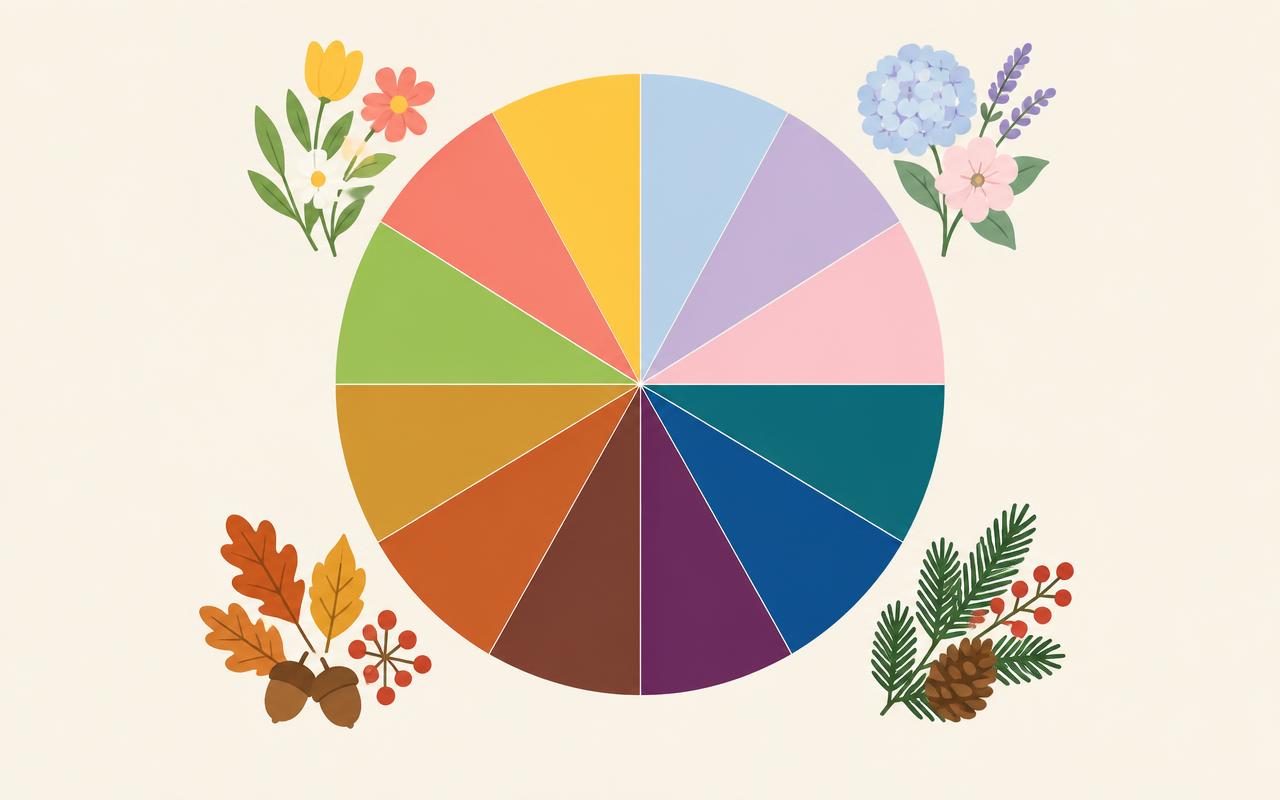
The twelve-season system refines the classic four seasons by adding a dominant characteristic to each one. Instead of only asking 'warm or cool?', it also asks whether your colouring is mainly light, deep, soft or bright.
Seasons sit next to each other on a wheel. Neighbouring types share qualities — Summer Light and Spring Light are both light, for example — which is why people can often borrow colours from a 'sister season'.
Spring: warm and clear
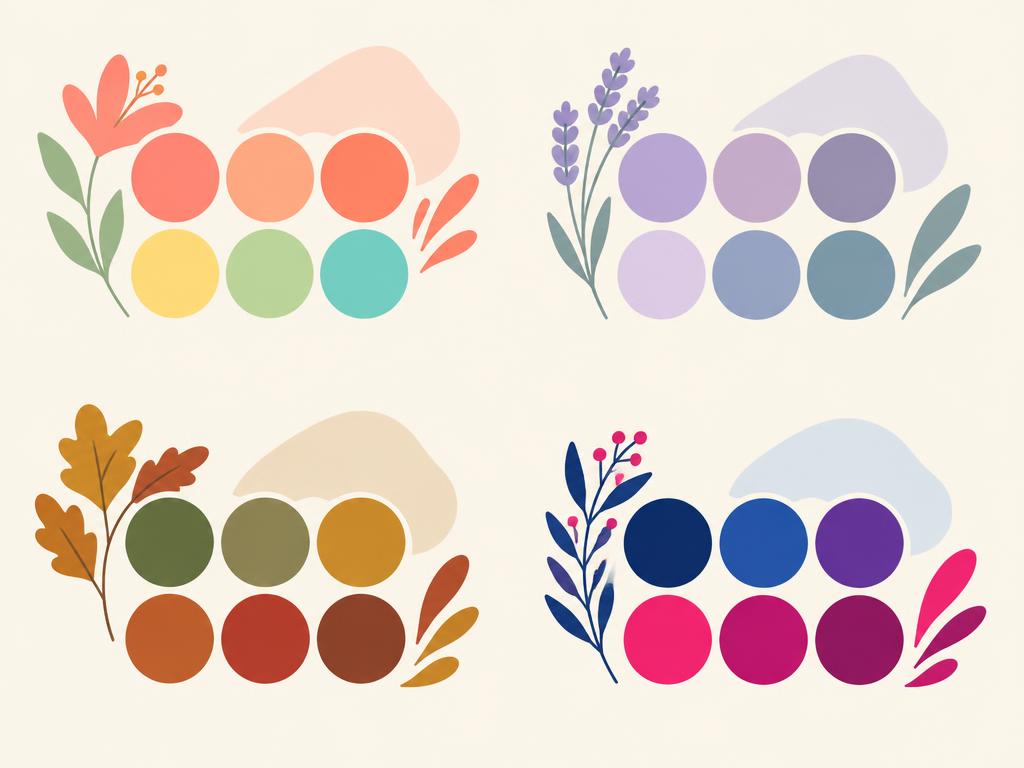
Spring types have warm, fresh colouring with a glow. Spring Light is delicate and pastel — think peach and butter yellow. Spring Bright is vivid and saturated, suiting coral, turquoise and warm pink. Spring True is sunny and golden, at its best in apricot, golden yellow and grass green.
Summer: cool and soft
Summer types have cool, gentle colouring. Summer Light suits airy pastels like powder blue and lavender. Summer True suits medium cool tones such as rose and soft navy. Summer Mute suits dusty, greyed colours like mauve, slate and dusty rose — one of the most common Korean types.
Autumn: warm and soft
Autumn types have warm, rich colouring with low contrast. Autumn Mute is earthy and calm, at home in khaki, camel and soft olive. Autumn True is rich and spicy: rust, mustard and pumpkin. Autumn Deep is dark and luxurious, wearing chocolate, deep teal and burgundy beautifully.
Winter: cool and clear
Winter types have cool colouring with strong contrast. Winter Bright suits icy brights and vivid fuchsia. Winter True suits pure blue-based colours like royal blue and true red. Winter Deep suits dramatic dark shades — black, plum and emerald.
How to tell which season you are
Start with undertone (warm or cool). Then decide your strongest quality: are you mostly light, deep, soft or bright? Someone cool and soft lands in Summer Mute; someone warm and deep lands in Autumn Deep. If you can't decide, compare two colours side by side in daylight and note which makes your skin look clearer.
Best and worst seasons
Korean reports often name a best season and a worst season. Your worst season is usually the opposite on the wheel — for a Summer Mute, the clear warmth of Spring Bright. Knowing both makes shopping decisions faster.
Sister seasons
Each type has neighbours it can borrow from. A Summer Mute can often wear Autumn Mute's softer colours; a Winter Deep can borrow from Autumn Deep. This is useful when tanned or when a colour you love sits just outside your palette.
You can explore each season's palette on its own page, or take the free quiz to see which family you belong to.
About this guide
Published by SeoulTone, the service behind the quiz and photo analysis linked in this guide. The advice uses seasonal colour frameworks and Korean beauty terminology; it is styling guidance, not a clinical assessment or a professionally verified personal diagnosis.
Season systems are styling frameworks, not standardised diagnostic tests. Names and boundaries vary between studios; no population-wide season frequencies are established here. Examples show palette qualities rather than fixed rules for a person’s appearance.
Illustrations and AI-generated examples are illustrative, not evidence of an individual’s season. Photo estimates depend on lighting, camera processing and makeup; test suggested shades in daylight before buying.
Explore related palettes
Frequently asked questions
What is the rarest color season?
There is no reliable data, but very high-contrast types like Winter Bright are often described as less common.
Is 16 seasons better than 12?
More types add nuance but also more room for error. Twelve is the most widely used system in Korea and the West.
Can I be between two seasons?
Yes. Many people sit on a border and can wear colours from both neighbouring types.
Find your season
Take the free 2-minute quiz, or get your full report from a selfie.