Basics · 8 min read
Olive Skin Tone: How to Know If You Have It and the Best Colours to Wear
A complete olive skin tone guide with a Korean personal colour angle: signs of olive skin, light vs deep olive, best clothing colours, makeup, hair and foundation.
By SeoulTonePublished Updated
The short answer
Olive skin has a green-grey cast that can occur on fair, medium or deep skin and may lean warm, cool or neutral. Foundation looking too pink or orange can be a clue, not proof. Try teal, rose, olive and plum in different depths and saturation levels; your individual colour response determines the palette, not olive colouring alone.
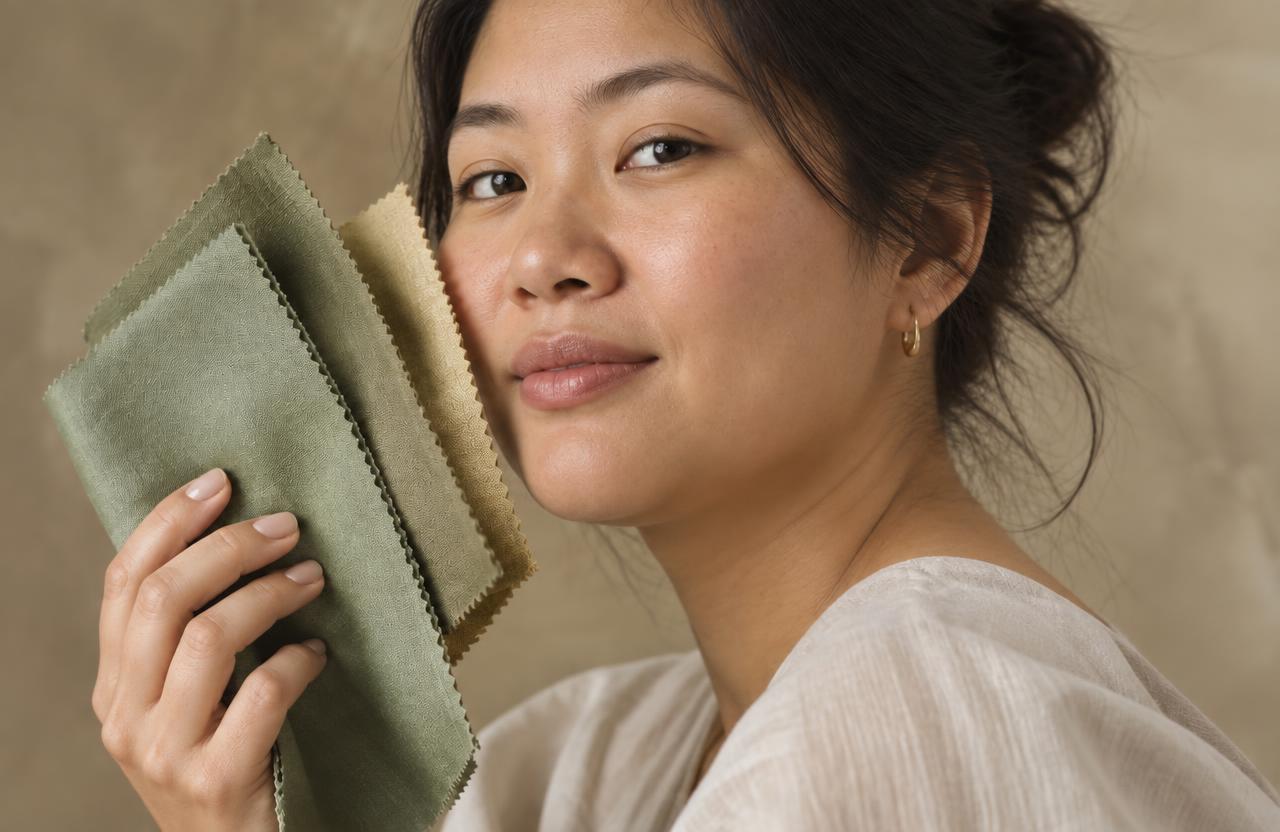
Olive skin is one of the most searched — and most misunderstood — skin tones. It is not a depth like 'fair' or 'medium', and it is not simply warm or cool. Olive is a green-grey cast that can appear on light, medium and deep skin, and it is very common across East, Southeast and South Asia as well as the Mediterranean and Latin America.
Signs you have olive skin
Most foundations look either too pink or too orange on you. Your skin can look slightly grey or green in shade, or sallow in yellow clothes. You tan easily and rarely burn. Your veins look greenish-blue, and both gold and silver jewellery seem 'fine' without one clearly winning. If several of these fit, olive is a strong possibility.
Light, medium and deep olive
Light olive skin is often mistaken for fair neutral skin — it can look almost beige-grey in winter. Medium olive is the classic olive tone and tends to look golden after sun. Deep olive skin has a rich bronze or khaki depth. The cast is the same; depth decides how much contrast and saturation you can carry.
Olive skin in Korean personal colour
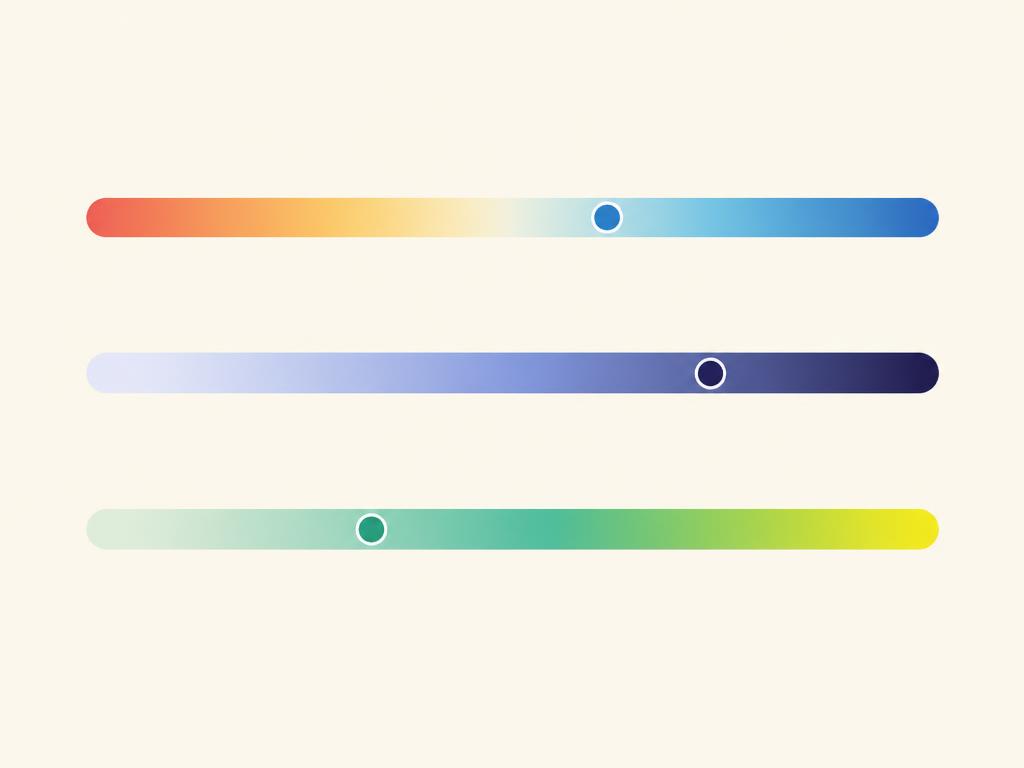
Korean consultants rarely use the word 'olive'. Instead, olive skin usually shows up as a Mute (뮤트) result: Autumn Mute / Soft Autumn (가을 뮤트) or Summer Mute / Soft Summer (여름 뮤트). Deep olive skin with dark hair and eyes is often typed Autumn Deep (가을 딥) or Winter Deep (겨울 딥). Draping is useful here because olive skin reacts strongly to clarity — clear brights make it look grey, muted shades make it look even.
Best clothing colours for olive skin
Muted, slightly greyed shades flatter olive skin most: sage, moss, olive, teal, petrol blue, plum, mauve, dusty rose, terracotta, camel, taupe and warm charcoal. Deep olive skin can add rich jewel tones such as emerald, burgundy and aubergine. Cream and soft white work better than stark optic white.
Colours to wear with care
Neon brights, lemon yellow, very pale baby pink and icy pastels tend to highlight the green cast. If you love these, wear them away from the face — trousers, bags, shoes — and keep a muted colour near your neckline.
Makeup for olive skin
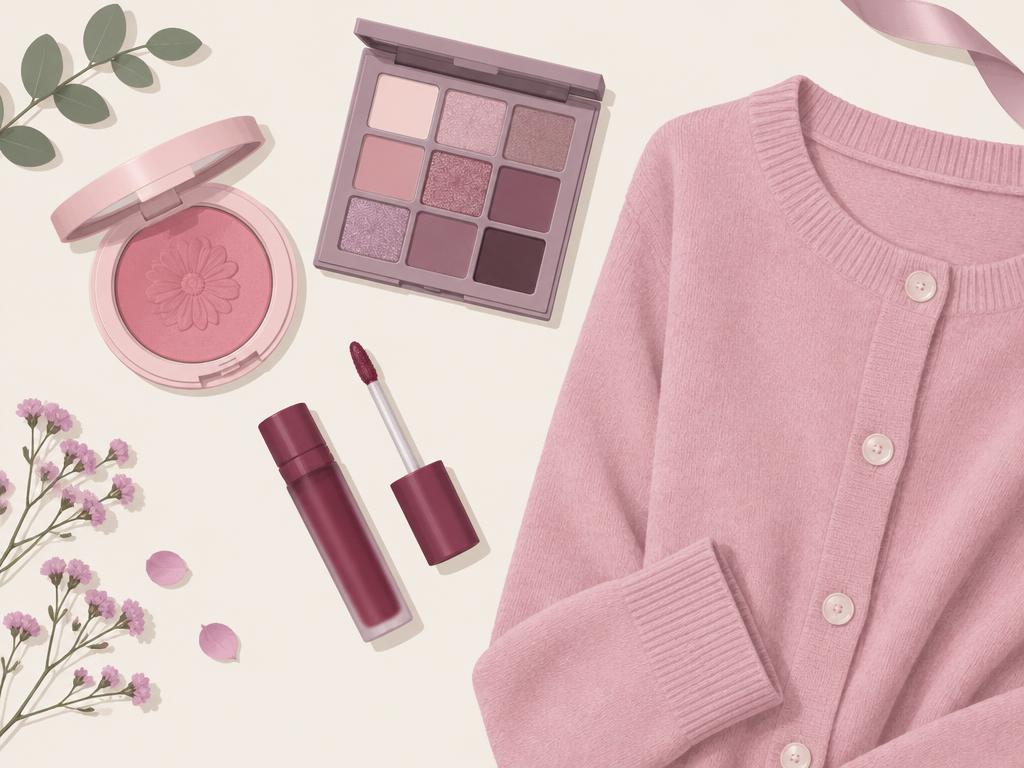
Peachy-rose blush counteracts green better than cool pink or pure orange. MLBB lip shades such as rosewood, brick rose, mauve and cinnamon look natural; deep olive skin suits berry and brown-red. Bronze, copper, olive and taupe eyeshadows enhance the eyes. A peach colour corrector under concealer helps with grey-ish under-eye shadows.
Foundation for olive skin
Look for shades labelled olive, neutral (N) or 'neutral-warm'. In Korean cushion ranges, 21N or 23N is often closer than 21C or 21W. If a shade looks pink, go more yellow; if it looks orange, go more neutral. Always swatch on the jaw in daylight.
Hair colours for olive skin
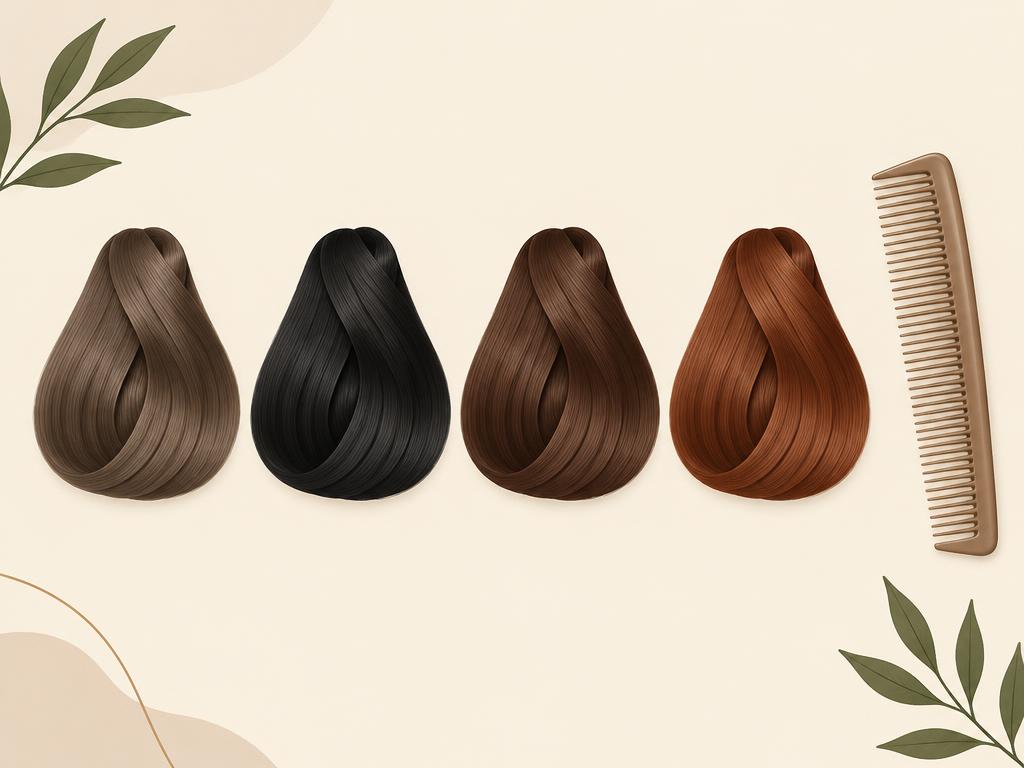
Soft browns, mocha, ash-brown, chocolate and dark espresso are reliable. Very brassy copper or platinum blonde can emphasise sallowness. Deep olive skin looks striking with near-black or cool dark brown.
Confirm your season
Because olive skin sits between warm and cool, quizzes often give mixed answers. A photo analysis compares your skin, hair and eyes together and places you in one of 12 seasons, with a personal palette and makeup shades to try.
About this guide
Published by SeoulTone, the service behind the quiz and photo analysis linked in this guide. The advice uses seasonal colour frameworks and Korean beauty terminology; it is styling guidance, not a clinical assessment or a professionally verified personal diagnosis.
At-home tests and skin-tone labels are approximate clues. Skin depth, ethnicity, vein colour and sun response do not establish a season; olive colouring can lean warm, cool or neutral. Unexpected skin changes should be discussed with a qualified healthcare professional.
Illustrations and AI-generated examples are illustrative, not evidence of an individual’s season. Photo estimates depend on lighting, camera processing and makeup; test suggested shades in daylight before buying.
Explore related palettes
Frequently asked questions
Is olive skin warm or cool?
Neither exactly. It is a green-grey cast over a warm or neutral base, and usually suits muted colours.
Is olive skin common in Asians?
Yes. Olive undertones are common across East, Southeast and South Asia, especially at medium depth.
What lipstick suits olive skin?
Rosewood, brick rose, mauve and cinnamon for lighter olive; berry and brown-red for deeper olive.
Find your season
Take the free 2-minute quiz, or get your full report from a selfie.