Fashion · 7 min read
Korean Color Analysis vs Western Seasonal Color Analysis
Korean personal color analysis vs Western seasonal color analysis: how the systems differ, cost, and which is right for you.
By SeoulTonePublished Updated
The short answer
Korean and Western personal colour analysis both compare temperature, depth and clarity using seasonal palettes. Korean-style services often emphasise makeup, hair and skin appearance; Western-style services often emphasise wardrobe. Neither label guarantees accuracy. Lighting, the consultant’s method and the individual service matter more, and sub-season names do not always map exactly.
Both systems share the same roots — the seasonal colour theory that became popular in the 1980s — but they have evolved differently. Korean personal color became a beauty trend in its own right, while Western analysis stayed closer to fashion styling.
What happens in a Korean session
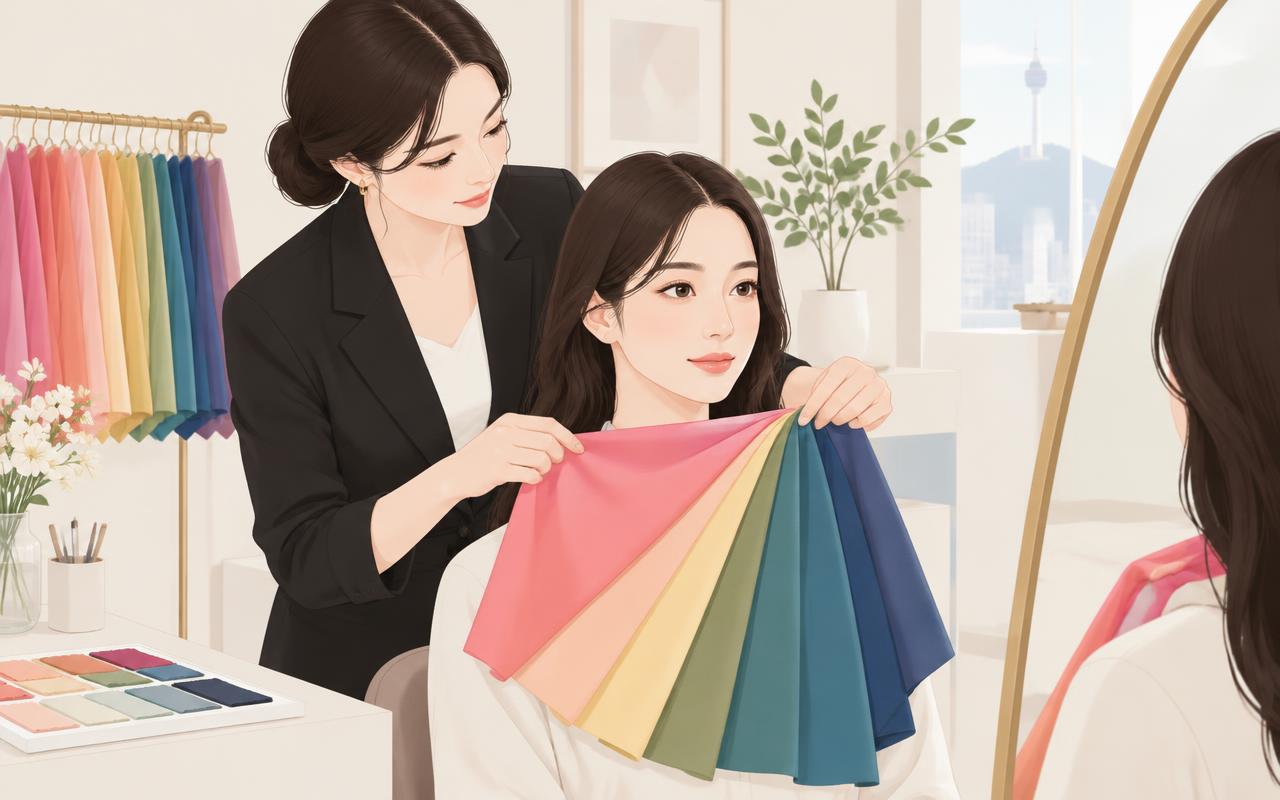
A typical session in Seoul lasts one to two hours. Under controlled lighting, the analyst drapes dozens of coloured fabrics under your chin, compares warm and cool, then narrows down to a season and sub-type. Many studios also test lipstick, foundation and hair colour swatches.
Focus on skin clarity
Korean analysis puts strong emphasis on how a colour affects skin clarity, redness, dark circles and brightness, reflecting local beauty ideals of a clear, even complexion.
Sub-types and naming
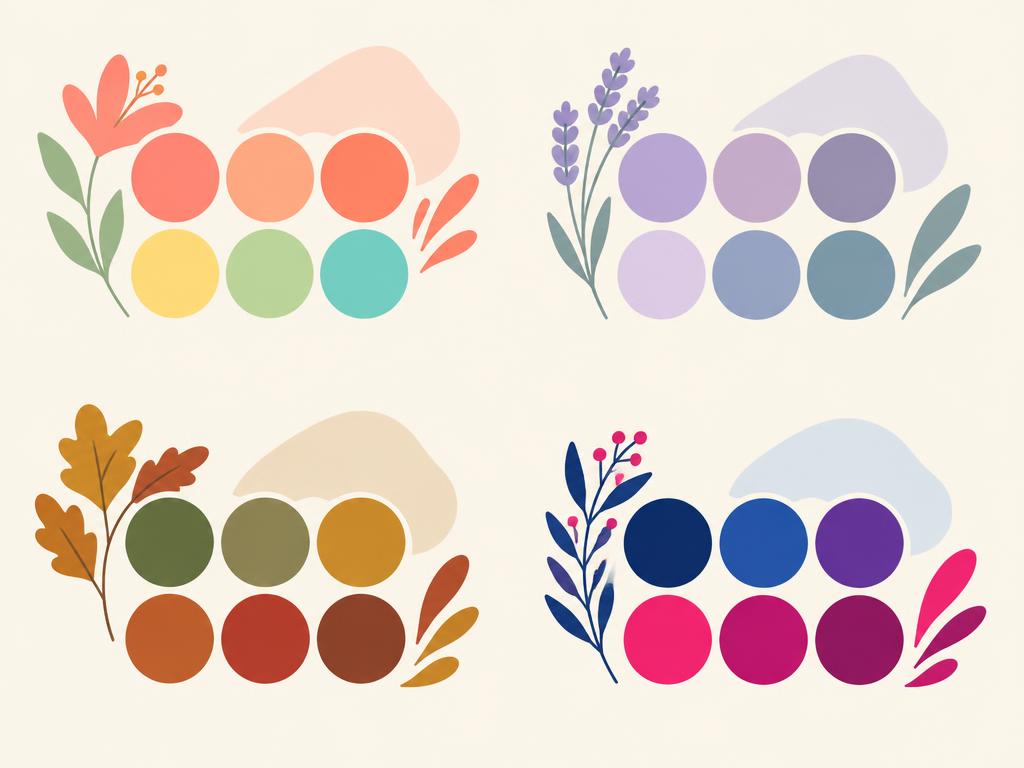
Korean studios commonly use terms like 'Mute', 'Bright', 'Light' and 'Deep' and give a best and worst sub-type. Western systems often use 'Soft', 'Clear' and 'Deep', and some use sixteen or more types.
Makeup-led results
Korean reports usually include detailed makeup recommendations — lip, blush and eye shades — alongside clothing and hair colours. Western reports often focus more on wardrobe, with a fabric swatch book to carry while shopping.
Cost and access
In-person sessions in Korea and abroad are an investment, and popular studios book up weeks ahead. Online and photo-based analysis makes the method available anywhere at a lower price, trading some precision for convenience.
Which is right for you?
If you mainly want confident makeup and hair choices, Korean-style analysis is a great fit. If you want to rebuild your wardrobe, Western-style analysis with a swatch book is very practical. Many people combine both: learn their season, then use it everywhere.
Getting the most from either system
Whichever method you choose, test the results in daily life. Wear a recommended colour for a week and notice the compliments, then build slowly rather than replacing everything at once.
About this guide
Published by SeoulTone, the service behind the quiz and photo analysis linked in this guide. The advice uses seasonal colour frameworks and Korean beauty terminology; it is styling guidance, not a clinical assessment or a professionally verified personal diagnosis.
Clothing and hair suggestions are starting points, not restrictions based on ethnicity or appearance. Korean and Western services vary; these comparisons do not establish that one method is more accurate or that a particular palette fits everyone.
Illustrations and AI-generated examples are illustrative, not evidence of an individual’s season. Photo estimates depend on lighting, camera processing and makeup; test suggested shades in daylight before buying.
Explore related palettes
Frequently asked questions
Is Korean color analysis more accurate?
Not necessarily. Accuracy depends on the analyst, the lighting and your preparation more than on the system.
Do I need to visit Korea?
No. Many studios worldwide offer Korean-style sessions, and online analysis is an affordable alternative.
Are the season names the same?
Mostly. 'Mute' in Korean systems roughly equals 'Soft' in Western systems, and 'Bright' equals 'Clear'.
Find your season
Take the free 2-minute quiz, or get your full report from a selfie.